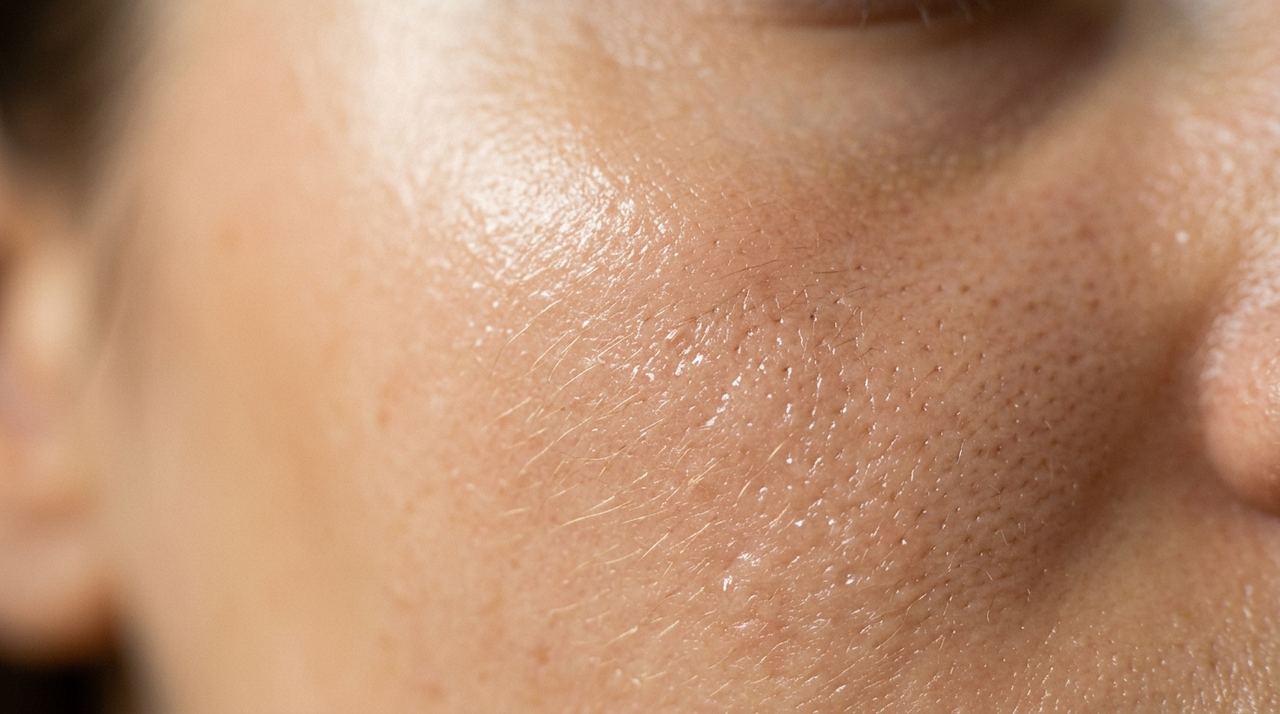
Collagen is the primary structural protein found throughout the human body, making up a significant portion of connective tissues, including tendons, ligaments, cartilage, and skin. Within the context of dermatology and skin biology, it serves as an essential framework that provides mechanical support, structural integrity, and tensile strength. Understanding how collagen functions, where it resides within the tissue layers, and how internal and external factors influence its production is central to understanding the fundamentals of skin physiology.
To understand the function of collagen, it helps to examine the basic structure of the skin, which is divided into three primary layers: the epidermis, the dermis, and the hypodermis (subcutaneous tissue).
Collagen is concentrated predominantly within the dermis, accounting for roughly 70 to 80 percent of its dry weight. The primary types present in skin tissue are Type I and Type III collagen. Together with elastin—a protein that permits tissue to stretch and recoil—and hyaluronic acid, a naturally occurring glycosaminoglycan that binds water within the extracellular matrix, collagen creates a dense, three-dimensional network that holds the tissue together and maintains its firmness.
Collagen production is a dynamic biological process that evolves across a person's lifespan. During early life, fibroblasts continuously synthesize new collagen to replace fibres that naturally degrade. However, as part of the intrinsic biological ageing process, this metabolic balance shifts.
From adulthood onward, fibroblast activity gradually slows down, leading to a steady annual decrease in the baseline rate of collagen synthesis. Simultaneously, existing collagen fibres undergo structural changes; they can become fragmented, cross-linked, and less organised. In addition, naturally occurring enzymes known as matrix metalloproteinases (MMPs) gradually break down structural proteins as part of normal tissue turnover, but this degradation can outpace synthesis over time.
While chronological changes are unavoidable, extrinsic factors play a notable role in the rate of collagen breakdown. The most significant external factor is ultraviolet (UV) radiation from sunlight. Chronic sun exposure triggers oxidative stress and upregulates the activity of MMP enzymes, accelerating the fragmentation of dermal collagen fibres.
Other lifestyle factors also contribute to structural changes in the skin:
The internal production of collagen (collagen synthesis) is a complex, multi-step biochemical process. Fibroblasts require specific amino acids, primarily glycine, proline, and hydroxyproline, which the body derives from dietary protein sources. However, the assembly of these amino acids into stable collagen triple-helix structures requires several specific micronutrients that function as biological co-factors.
The physiology of the skin is governed by an interconnected network of genetics, nutrition, environmental exposure, and daily habits. While providing the body with adequate dietary protein, essential vitamins, and minerals supports normal structural processes, individual biological responses vary significantly based on age, lifestyle, and overall health status. Supporting skin structure is ultimately a holistic process that relies on sun protection, adequate sleep, hydration, and balanced daily nutrition rather than any single intervention.
Elena Marsh — Elena Marsh is a beauty and wellness writer who covers skincare ingredients and the everyday habits behind healthy-looking skin. She reads the labels and the research so readers don’t have to. Elena is a writer, not a medical professional, and nothing she writes is medical advice.