Biotin, also known as vitamin B7 or vitamin H, is a water-soluble vitamin belonging to the B-complex family. Because the human body cannot synthesise biotin in significant quantities, it must be consistently supplied through dietary sources or nutritional supplements.
At a cellular level, biotin functions as an essential cofactor for carboxylase enzymes. These enzymes are vital for macronutrient metabolism, assisting in the conversion of fats, carbohydrates, and proteins into cellular energy. Through these fundamental metabolic pathways, biotin supports basic physiological processes throughout the entire body.
Within nutritional science, the relationship between biotin and tissue maintenance is well defined: biotin contributes to the maintenance of normal skin and hair. This role stems from its fundamental involvement in protein synthesis and fatty acid metabolism, both of which are required for the standard renewal and integrity of epithelial structures.
Keratin serves as the primary structural protein making up human hair, the outer stratum corneum of the skin, and the nail plate. The biological synthesis of keratin requires a steady supply of amino acids and metabolic energy—pathways in which biotin actively participates. When nutritional levels are adequate, biotin supports the natural processes that preserve the baseline strength and structure of these tissues.
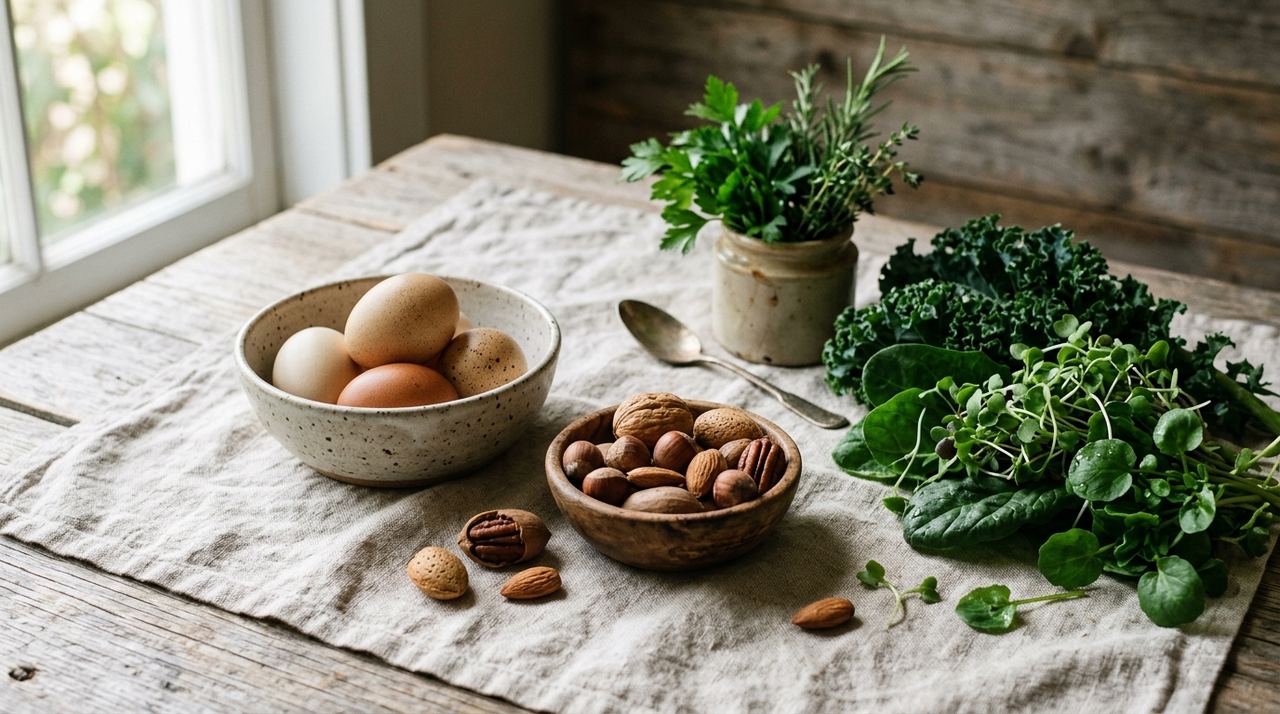
For most individuals, a varied and balanced diet readily provides sufficient levels of biotin. Because it is widely distributed across both animal- and plant-based foods, overt nutritional deficiency is relatively uncommon among healthy individuals.
Common dietary sources include:
Because biotin is water-soluble, excess amounts consumed beyond the body’s physiological requirements are not stored in high volumes, but are typically filtered and excreted naturally.
Biotin does not function in isolation; it works alongside a broader spectrum of micronutrients and structural elements that contribute to overall skin and hair physiology:
In wellness and beauty discussions, biotin is often discussed as a rapid solution for hair loss, brittle nails, or dull skin. It is important to approach these claims with scientific nuance and grounded expectations.
Biotin supports normal physiological maintenance; it does not serve as a medical treatment or cure for clinical hair conditions, pattern baldness, or nail disorders. While individuals with an identified nutritional insufficiency may observe improvements in tissue quality upon restoring balanced levels, consuming biotin above normal requirements does not accelerate growth rates or alter genetic hair density.
Furthermore, individual responses to dietary adjustments vary considerably. Because hair and nails develop from root matrices beneath the skin, visible changes in tissue quality take time, typically requiring consistent nutritional support over several months.
Targeted micronutrients represent only one facet of maintaining healthy skin and hair. Structural integrity is shaped substantially by everyday environmental factors and general lifestyle habits.
Key lifestyle considerations include:
Ultimately, biotin remains an essential, supportive micronutrient within the body. Ensuring an adequate, steady supply through a diverse, balanced diet provides a practical and evidence-based approach to supporting the normal maintenance of hair and skin over time.
Elena Marsh — Elena Marsh is a beauty and wellness writer who covers skincare ingredients and the everyday habits behind healthy-looking skin. She reads the labels and the research so readers don’t have to. Elena is a writer, not a medical professional, and nothing she writes is medical advice.